Fire Sprinkler Systems: Types, Benefits, and Maintenance Requirements for Your Facility
When it comes to protecting your property from fire, few technologies have saved more lives and prevented more property damage than automatic fire sprinkler systems. According to fire safety data, buildings with properly installed and maintained sprinkler systems experience 90% fewer fire-related deaths and 60% less property damage compared to unprotected buildings. Yet many business owners in Zimbabwe are unfamiliar with the different types of sprinkler systems available and how they work.
At Ultimate Fire Protection Engineers (UFPE), we design, install, and maintain fire sprinkler systems for commercial, industrial, and residential properties across Zimbabwe. This comprehensive guide explains the different types of sprinkler systems, their components, benefits, and maintenance requirements.
"Automatic sprinklers control or extinguish 96% of fires in buildings where they are properly installed and maintained. Your Safety Our Business."
How Fire Sprinkler Systems Work
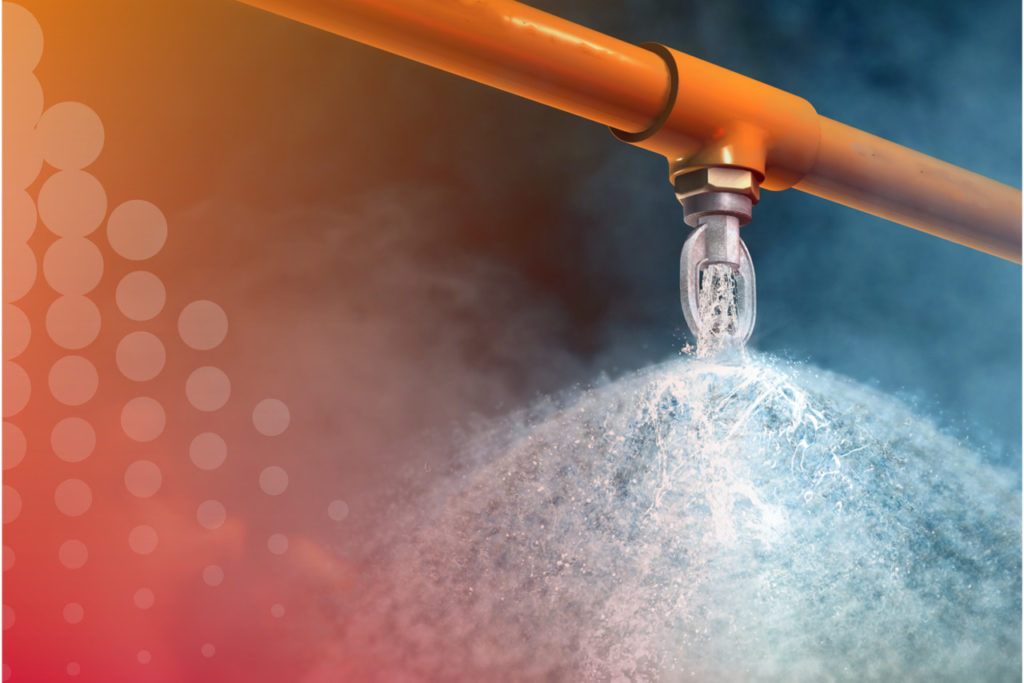
Contrary to what Hollywood movies show, fire sprinklers do not all activate at once. Each sprinkler head operates independently when it detects heat from a fire (typically at temperatures of 135°F to 165°F / 57°C to 74°C). Only sprinklers in the immediate area of the fire activate, limiting water damage to the fire zone while the rest of the building remains dry and protected.
The typical response time for a sprinkler system is 60-90 seconds—significantly faster than fire department response, which averages 5-10 minutes. This rapid response controls the fire while it is still small, preventing flashover and allowing safe evacuation.
Types of Fire Sprinkler Systems
1. Wet Pipe Sprinkler Systems
Description: The most common and reliable type of sprinkler system. Water is constantly maintained under pressure in the pipes, so when a sprinkler head activates, water discharges immediately.
Best Applications: Heated buildings including offices, warehouses, retail spaces, hotels, and residential buildings where freezing is not a concern.
Advantages: Simplest design, lowest cost, fastest response time (immediate water discharge), minimal maintenance requirements.
Limitations: Cannot be used in areas subject to freezing temperatures (below 40°F / 4°C).
2. Dry Pipe Sprinkler Systems
Description: Pipes contain pressurized air or nitrogen instead of water. When a sprinkler opens, the air pressure drops, opening a dry pipe valve that allows water to flow into the pipes and out through the open sprinkler.
Best Applications: Unheated warehouses, parking garages, loading docks, refrigerated storage, and any area subject to freezing temperatures.
Advantages: Can be installed in freezing environments without risk of pipe bursts; no water damage from broken pipes.
Limitations: Slightly slower response time (30-60 seconds delay for water to reach open sprinkler), higher initial cost, more complex maintenance.
3. Pre-Action Sprinkler Systems
Description: A hybrid system that requires two events before water is released: first a separate fire detection system must activate (smoke or heat detector), which opens a pre-action valve; then an individual sprinkler head must also activate due to heat before water flows.
Best Applications: Data centers, server rooms, museums, archives, art galleries, and libraries where accidental water discharge could cause catastrophic damage.
Advantages: Double-locking mechanism prevents accidental discharge; water is not present in pipes until confirmed fire event; can be configured to alarm-only mode.
Limitations: Highest cost, most complex design and maintenance, requires both sprinkler and detection systems.
4. Deluge Sprinkler Systems
Description: Open sprinkler heads connected to dry piping. When a separate fire detection system activates, a deluge valve opens, allowing water to flow simultaneously through ALL sprinkler heads in the protected area.
Best Applications: High-hazard industrial areas, chemical storage, aircraft hangars, flammable liquid storage, transformers, and areas with rapid fire growth potential.
Advantages: Provides massive water volume across entire hazard area; ideal for controlling rapidly spreading fires; can incorporate foam injection.
Limitations: Causes significant water damage across entire protected area (not just fire zone); highest water demand; requires detection system.
5. Water Spray / Fixed Monitor Systems
Description: Fixed or oscillating nozzles that direct a specific water spray pattern onto equipment, tanks, or structures. Often used for external protection.
Best Applications: LPG tanks, fuel depots, power transformers, conveyor systems, process equipment, and cooling towers.
Advantages: Targeted application; can include foam injection for fuel fires; effective for cooling exposures.
UFPE Specialization: UFPE specializes in water spray systems for LPG tank fire protection and fuel depot protection, including base foam injection systems.
Key Components of Sprinkler Systems
- Water Supply: Connection to municipal water main, storage tanks, fire pumps, or reservoirs.
- Fire Pump: Provides adequate pressure when municipal supply is insufficient. UFPE supplies and installs electric and diesel fire pumps.
- Control Valves: Gate valves, butterfly valves, and OS&Y valves that control water flow to the system.
- Alarm Check Valve: Detects water flow and activates fire alarm system.
- Risers: Vertical piping that distributes water to horizontal branch lines.
- Branch Lines: Horizontal pipes that feed sprinkler heads.
- Sprinkler Heads: Heat-sensitive devices that activate individually. Types include pendant (hanging down), upright (pointing up), sidewall (horizontal), and concealed (hidden behind decorative cover).
- Test and Drain Valves: Used for system testing and maintenance.
Benefits of Installing a Sprinkler System
1. Life Safety
Sprinklers dramatically improve occupant survival. When a sprinkler system is present, fire-related deaths are reduced by 90%. The rapid response controls the fire before it grows, giving occupants time to evacuate safely.
2. Property Protection
Average property damage in buildings with sprinklers is 60-70% less than unprotected buildings. Sprinklers typically control the fire using only one or two sprinkler heads, compared to fire department hoses that use thousands of gallons of water across the entire building.
3. Business Continuity
Business interruption after a fire is dramatically reduced with sprinklers. Many businesses with sprinklers can resume operations within days, while unprotected buildings may face months of closure or never reopen at all.
4. Insurance Premium Reductions
Insurance providers offer significant premium discounts (often 25-50%) for buildings with professionally installed and maintained sprinkler systems.
5. Legal Compliance and Due Diligence
Under Zimbabwe fire safety regulations, many building types are required to have sprinkler systems. Even when not legally required, sprinklers demonstrate due diligence and reduce liability exposure.
6. Environmental Protection
Sprinklers use significantly less water than fire department hoses while being far more effective at fire control. Less water means less environmental runoff contamination from fire byproducts.
Where Sprinkler Systems Are Required
In Zimbabwe, sprinkler systems are typically required for:
- High-rise buildings (over 4-6 stories depending on occupancy)
- Large retail spaces (over 500 square meters)
- Warehouses and storage facilities (over 1,000 square meters)
- Industrial facilities with significant fire loads
- Hotels and dormitories
- Healthcare facilities (hospitals, clinics)
- Underground buildings and parking structures
- Educational facilities (large schools and universities)
- Any building where egress distances exceed code allowances
UFPE Sprinkler System Services
Ultimate Fire Protection Engineers provides complete sprinkler system solutions:
Design and Engineering
Our certified engineers design systems that meet NFPA 13, SANS, and local Zimbabwean standards. We use hydraulic calculation software to ensure adequate water supply and pressure for every sprinkler head.
Installation
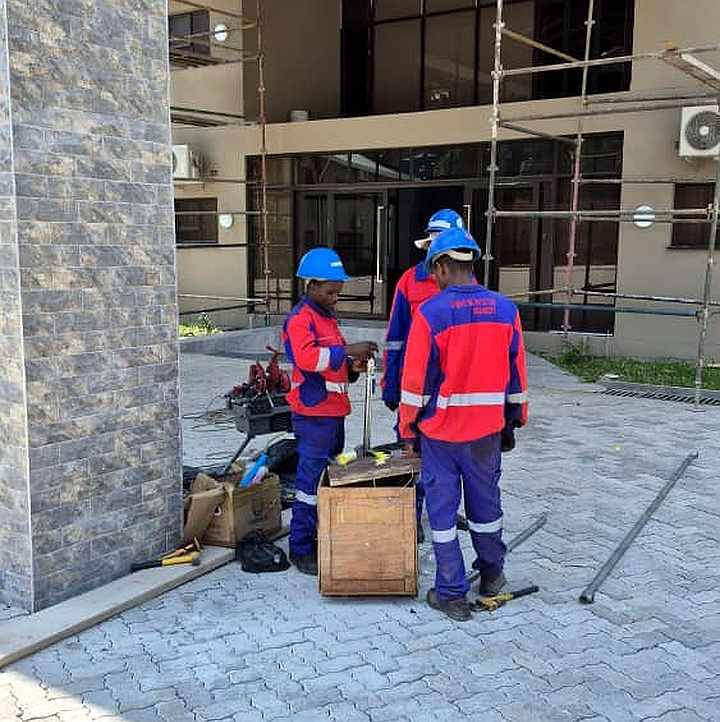
UFPE technicians install complete systems including: risers, branch lines, sprinkler heads, control valves, fire pumps, and integration with building fire alarm systems. Our work is professional, code-compliant, and minimally disruptive to your operations.
Periodic Maintenance
We offer comprehensive maintenance contracts including: weekly and monthly control valve inspections, quarterly flow tests, annual main drain tests, five-year internal pipe inspections (where required), and full system function tests.
Specialized Systems
UFPE specializes in: water spray systems for fuel depot protection, base foam injection systems for LPG tank fire protection, and sprinkler valve services for industrial facilities.
Sprinkler System Maintenance Requirements
Regular maintenance is essential for sprinkler reliability. UFPE recommends:
| Component | Inspection Frequency | Maintenance Action |
|---|---|---|
| Control Valves | Weekly | Verify open position, ensure no leaks, check tamper switches |
| Water Flow Alarm Devices | Quarterly | Test operation, verify signal to fire alarm panel |
| Fire Pump | Weekly | Run churn test (no flow), check pressures, inspect for leaks |
| Fire Pump (Full Flow) | Annually | Flow test to verify pressure and volume per specifications |
| Sprinkler Heads | Annually | Visual inspection for corrosion, damage, paint, or obstruction |
| Piping | Annually | Check for leaks, corrosion, mechanical damage, loose hangers |
| Valves (Internal) | 5 Years | Internal inspection of check valves and alarm valves |
| Piping (Internal) | 5-10 Years | Internal inspection for corrosion, scale, or obstruction |
Common Misconceptions About Sprinkler Systems
Myth: All sprinklers activate at once, causing massive water damage.
Fact: Only sprinkler heads directly exposed to fire heat activate (typically 1-2 heads). 90% of fires are controlled by 5 heads or fewer.
Myth: Smoke sets off sprinklers.
Fact: Sprinklers are activated by HEAT, not smoke. Smoke detectors set off alarms, but sprinklers require high temperatures.
Myth: Sprinklers are ugly and ruin building aesthetics.
Fact: Modern concealed sprinkler heads mount flush with ceilings behind decorative plates that blend seamlessly. Only the cover plate is visible.
Myth: Water damage from sprinklers is worse than fire damage.
Fact: A fire department hose discharges 250+ gallons PER MINUTE (15,000+ gallons per hour). A single sprinkler head discharges 15-30 gallons per minute. The water damage from sprinklers is a fraction of hose stream damage, AND the sprinklers have actually extinguished the fire.
Myth: Sprinklers accidentally discharge frequently.
Fact: Accidental discharge is extremely rare (1 in 16,000,000 sprinklers per year). Modern sprinklers are highly reliable and require specific thermal conditions to activate.
NFPA 25: Standard for Inspection, Testing, and Maintenance
UFPE follows NFPA 25 - the internationally recognized standard for sprinkler system maintenance. This standard establishes minimum requirements for:
- Routine visual inspections
- Operational testing
- Preventive maintenance
- Record keeping and documentation
- Corrective action for deficiencies
Case Study: Sprinkler System Saves Warehouse
A 5,000 square meter warehouse in Harare equipped with a UFPE-designed wet pipe sprinkler system experienced an electrical fire in a storage rack. A single sprinkler head activated, controlling the fire until the fire department arrived. Damage was limited to the immediate rack area. Without the sprinkler system, the fire would have likely spread across the entire warehouse, causing millions in losses and putting 50 employees out of work.
Why Choose UFPE for Your Sprinkler System?
- Certified Expertise: Our engineers have extensive experience designing and installing sprinkler systems across Zimbabwe
- Regulatory Compliance: UFPE is registered with Harare Fire Brigade, Fire Prevention Inspection Bureau, and Institute of Engineers
- ISO-Certified Quality: We maintain ISO 9001, ISO 45001, and ISO 14001 management systems
- Specialized Capabilities: Water spray systems, foam injection, LPG tank protection, and valve services
- Comprehensive Service: Design, supply, installation, testing, maintenance, and repairs
Contact UFPE for Sprinkler System Services
Protect your people, property, and business continuity with a professionally designed and installed fire sprinkler system from Ultimate Fire Protection Engineers. We serve commercial, industrial, and residential clients throughout Zimbabwe.
Contact UFPE today for a free consultation and site assessment.